Newsletter Subscribe
Enter your email address below and subscribe to our newsletter
Enter your email address below and subscribe to our newsletter

 ByJohn A
Clothing functions as a visible text that signals culture beyond speech. Fabrics, colors, and motifs carry history, status, and belonging. In everyday wear, identities are performed and negotiated, often quietly. Regional dress marks ritual roles and social hierarchies, while global fabrics splice traditions with modernity. The result is a shifting lexicon where garments tell stories of lineage and resistance, inviting broader attention to what garments mean in particular communities—and suggesting there is more to discover beyond the surface.
Clothing functions as a visible text through which groups signal identity, status, and belonging beyond speech. Across cultures, garments enact cultural storytelling, shaping perceptions of lineage, gendered roles, and communal memory. In daily practice, textile iconography carries negotiated meanings—rebellion, reverence, belonging—while styles travel, get adapted, and reinterpreted. The social script emerges through wear, not merely fabric, inviting ongoing interpretation and freedom.
From the previous examination of how garments signal belonging across cultures, attention shifts to the specific semiotics embedded in color, fabric, and pattern. The analysis traces color psychology shaping mood and meaning, while textile technologies enable textures, durability, and sheen that carry identity. Across communities, motifs encode memory, boundary, and aspiration, translating personal stance into visible, portable culture.
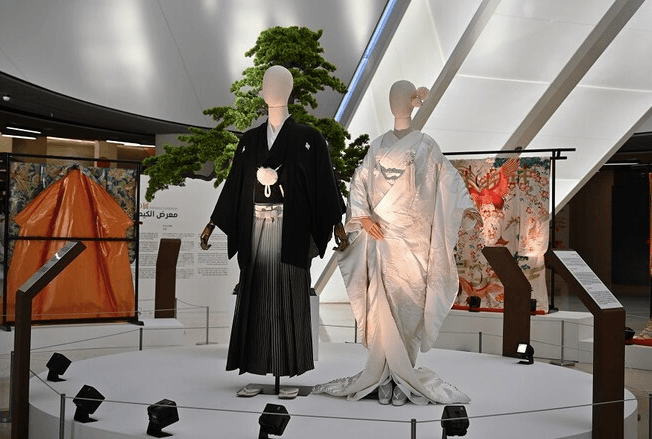
Regional dress functions as a concentrated archive of ritual practice and social hierarchy, crystallizing when and where certain garments are required, bestowed, or displayed.
The ethnographic lens interprets regional dress as a ceremonial function embedded in color symbolism and adornment meaning, reflecting social hierarchy through textile crafts, regional pride, and ritual coloration, while sense-making remains contextual and non-un universal.
How do modern forces reshape what people wear and why they wear it? Global wearability and identity branding intersect in daily wardrobes, as markets, media, and migration blur boundaries. Ethnographic attention reveals individuals negotiating choice amid networks of influence, expressing autonomy through diverse silhouettes, symbols, and labels. Dress becomes a public dialogue about belonging, freedom, and evolving cultural meanings across transnational spaces.
Dress codes shape social mobility by regulating access to opportunities, while gender roles constrain who may adapt wardrobes; wardrobe evolution reflects shifting power as societies negotiate status, authority, and freedom within varied eras, spaces, and cultural expectations.
The theory that gender dictates wardrobe evolution holds partial truth, as gender roles weave with labor movements and dress code politics, shaping garments. Ethnographic observation shows fashion labor movements influencing styles, while wardrobes reflect evolving gendered constraints and freedoms.
See also: High-End Interior Decoration Trends
Clothing ownership can reflect political allegiance or dissent, the ethnographic record showing how individuals marshal political symbolism and dissent attire to signal alignment, critique power, or mobilize communities within everyday fashion and visible sartorial choices.
Ironically, textile conservation receives prioritized attention, though trends shift like fabrics in wind; observers note textile preservation guided by heritage funding, shaping ethnographic narratives and interpretive contexts that honor freedoms while safeguarding fragile cultural artifacts.
Urban and rural styles diverge today, though urban fusion borrows from countryside motifs while rural authenticity persists in sleeves and stitches; observers note convergences without erasing distinctive identities, interpreting fashion as a portable ethnography of freedom and place.
Clothing stands as humanity’s loudest footnote, echoing culture with every seam and stitch. In its riot of color, material, and motif, identity performs on the body like a living archive, exaggerating lineage, belief, and pride until even strangers glimpse ancestral corridors. Regional attire acts as ceremonial graffiti on daily life, while globalization tailors personal rebellion into wearable statements. Thus, dress becomes a portable anthropology—an ever-changing script that narrates belonging, history, and hope with flamboyant, undeniable clarity.