Newsletter Subscribe
Enter your email address below and subscribe to our newsletter
Enter your email address below and subscribe to our newsletter

 ByJohn A
A collision involving a commercial truck can leave victims dealing with severe injuries, expensive medical treatment, lost income, and complicated insurance questions. Someone searching for a colorado springs truck accident lawyer may need practical information about preserving evidence and understanding the claims process. Information about a Denver truck accident lawyer can also help injured people learn more about the legal issues that may arise after a commercial vehicle crash.
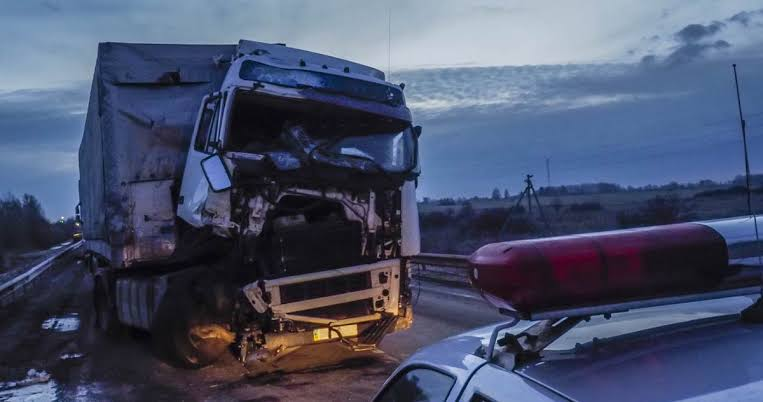
Truck accidents can be more complicated than ordinary passenger-vehicle collisions because several parties may have a role in the operation, maintenance, loading, or ownership of a commercial vehicle. The trucking company, driver, vehicle owner, maintenance provider, cargo handler, or another party may potentially become relevant depending on the circumstances.
Taking appropriate steps after a crash can help preserve important evidence and provide a clearer record of what happened.
The first priority after a truck collision should be medical care.
Large commercial vehicles can cause significant impact forces. Occupants of passenger vehicles may suffer broken bones, spinal injuries, traumatic brain injuries, internal injuries, burns, or other serious conditions.
Some injuries are immediately obvious, while others may develop symptoms later.
A person may initially feel relatively well because of adrenaline following the collision. Pain, stiffness, dizziness, headaches, or other symptoms can become more noticeable hours or days later.
Medical evaluation provides an opportunity to identify injuries and begin appropriate treatment. It also creates documentation showing when symptoms were reported and what medical professionals observed.
Follow-up care matters as well. If doctors recommend physical therapy, imaging, specialist appointments, medication, or other treatment, those recommendations should be followed.
Keep copies of emergency records, medical bills, prescriptions, imaging results, physician notes, and therapy records. These documents can become important when evaluating the extent and cost of an injury.
See also: Clothing as a Symbol of Culture
Truck accident scenes can change rapidly.
Commercial vehicles may be moved, damaged vehicles may be towed, road debris can be removed, and surveillance footage may eventually be overwritten.
Photographs taken shortly after the collision can preserve details that may no longer exist later.
If it is safe to do so, photographs should document:
Dashcam footage can also be valuable. Drivers, passengers, witnesses, and nearby businesses may have recordings that captured the collision or events immediately before it.
Witness information should be preserved whenever possible. Names, phone numbers, and other contact details can help investigators locate people who observed the accident.
An official crash report should also be obtained and kept with other accident records.
A passenger vehicle driver may be able to identify the other driver immediately after a collision. Truck accidents can require a broader investigation.
The truck driver may have been responsible for unsafe driving, distraction, fatigue, impairment, speeding, or another violation.
The trucking company may become relevant if its policies, supervision, hiring practices, or scheduling contributed to the crash.
A vehicle owner or maintenance company could become involved if mechanical problems or inadequate maintenance played a role.
Cargo loaders may also become relevant if improperly secured or distributed cargo affected the truck’s stability.
After the third major section, readers can learn more about the firm’s attorneys and the personal injury matters handled by 5280 Injury Law.
Commercial trucking operations generate records that may help explain how a collision occurred.
Depending on the circumstances, potentially relevant information can include driver logs, electronic logging data, inspection records, maintenance documentation, dispatch records, cargo information, and other business records.
Electronic systems within a commercial vehicle may also contain useful information about speed, braking, and other aspects of vehicle operation.
Preserving these records can be important because some information may not remain available indefinitely.
An attorney investigating a truck accident may seek relevant records from the trucking company or other parties involved in the vehicle’s operation.
The goal is to establish a reliable account of what happened rather than relying exclusively on statements made immediately after the collision.
Fatigue is a significant concern in commercial trucking.
A tired driver may have slower reaction times, difficulty maintaining attention, impaired judgment, or an increased risk of falling asleep.
Investigators may examine the driver’s work schedule, rest periods, electronic logs, dispatch information, and other records when fatigue is suspected.
A collision that appears to be a simple rear-end crash, lane departure, or roadway departure may require additional investigation if driver fatigue is a possible factor.
Witness observations can also help. Someone may have noticed the truck drifting between lanes, braking unexpectedly, or showing other signs of impaired alertness before the collision.
Cargo must be loaded and secured appropriately for transportation.
Improperly distributed or secured cargo can affect a truck’s handling and stability. Cargo may shift, fall from a vehicle, or contribute to a rollover.
A truck carrying an unstable load can create hazards for surrounding motorists even when the driver is attempting to operate carefully.
After a crash, investigators may examine cargo records, loading procedures, photographs, and the condition of tie-downs or other securing equipment.
A damaged cargo area should be documented before repairs or cleanup when possible.
These details may help determine whether the cargo contributed to the collision.
Truck accidents can also result from mechanical failures.
Brake problems, tire defects, steering issues, lighting failures, and other equipment problems may affect a commercial vehicle’s ability to operate safely.
Maintenance records can help determine whether the vehicle was properly inspected and serviced.
If a component failed unexpectedly, investigators may need to examine the part itself. Discarding or replacing damaged components before they can be evaluated could result in the loss of useful evidence.
Photographs, repair records, inspection reports, and maintenance invoices should therefore be preserved.
A mechanical failure can also raise questions about parties beyond the truck driver, depending on who owned, maintained, inspected, or manufactured the relevant equipment.
A truck accident can create financial problems that continue long after the damaged vehicles are removed from the roadway.
Medical treatment may include emergency care, surgery, hospitalization, rehabilitation, physical therapy, prescription medication, and specialist treatment.
At the same time, an injured person may be unable to work.
Someone who misses several weeks of work may lose wages immediately. A person with a permanent disability may experience reduced earning capacity over many years.
Employment documentation can help establish these losses. Keep pay stubs, tax records, employer correspondence, leave records, and information about reduced hours or missed workdays.
Other expenses may include transportation to medical appointments, home assistance, medical equipment, prescription costs, and vehicle repairs.
Receipts and invoices should be kept in an organized file.
The effects of a truck accident are not limited to medical diagnoses.
A person with a spinal injury may have difficulty walking or standing. Someone with a brain injury may struggle with memory or concentration. A person with broken bones may temporarily need help with bathing, cooking, driving, or childcare.
These limitations can affect family life and personal independence.
Keeping a record of daily challenges can help preserve information about the injury’s broader impact.
Record changes in mobility, pain, sleep, concentration, work capacity, and participation in normal activities.
A person’s ability to perform household responsibilities can also change after a serious accident. Family members may need to take over chores, transportation, or caregiving responsibilities.
These consequences may be relevant when evaluating the overall impact of the injury.
After a truck collision, insurance companies may begin investigating almost immediately.
Commercial trucking insurance policies can involve substantial coverage and may lead to more extensive investigations than an ordinary vehicle claim.
An insurance adjuster may request statements, medical records, photographs, or information about the accident.
Injured people should provide accurate information but should avoid guessing about facts they do not know.
Medical conditions can evolve after a crash. Someone who initially reports moderate discomfort may later discover that the injury requires extensive treatment.
Early statements may become part of the claim file, so care should be taken when describing symptoms or predicting recovery.
Settlement offers should also be reviewed carefully.
An early offer may address immediate expenses but fail to account for future treatment, lost earning capacity, or other long-term consequences.
5280 Injury Law handles personal injury cases involving motor vehicle accidents and other situations in which people are injured because of another party’s negligence.
Truck accident cases can require extensive investigation because liability may involve the driver, trucking company, vehicle owner, maintenance provider, cargo handler, or another party.
The firm’s resources discuss the importance of investigating the circumstances surrounding an accident and evaluating the injuries and losses suffered by the person involved.
A truck accident claim may require review of accident reports, vehicle evidence, medical documentation, employment records, insurance information, and commercial trucking records.
People interested in learning more about the firm’s personal injury services can visit the website for additional information about its practice areas.
Truck accident cases can involve disputes about who caused the collision.
An insurer or opposing party may argue that the injured driver contributed to the accident by speeding, changing lanes improperly, following too closely, or engaging in another form of negligent conduct.
Such allegations should be examined against the evidence.
Photographs, witness statements, vehicle damage, traffic-camera footage, electronic vehicle data, and accident reconstruction may help clarify what occurred.
Colorado’s rules concerning comparative negligence can affect how responsibility is evaluated in a personal injury case.
Because even a disputed allegation of fault can affect a claim, evidence should be preserved as early as possible.
Social media activity can become relevant during an injury claim.
Photos, videos, comments, check-ins, and other posts may be reviewed by insurance companies or opposing parties.
A photograph showing an injured person participating in an activity may not accurately reflect their actual condition. Someone could attend an event briefly and experience significant pain afterward.
Even so, a post can create questions that take time and resources to address.
Avoid posting details about the accident, injuries, settlement discussions, or legal strategy.
Privacy settings should also be reviewed. Previously shared information may remain accessible even after privacy settings are changed.
Some truck accident injuries require months or years of treatment.
A serious spinal injury, brain injury, fracture, or other condition may require surgery, rehabilitation, medication, therapy, or long-term assistance.
The full extent of future medical needs may not be clear immediately after the accident.
Doctors and other medical professionals can provide information about prognosis and anticipated treatment.
That information may become important when determining the potential value of a claim.
Accepting a settlement before understanding future medical needs can create complications if additional treatment becomes necessary later.
An injured person should have enough information about the condition and expected recovery before making decisions about permanently resolving a claim.
Personal injury claims are subject to statutes of limitations and other legal deadlines.
The applicable deadline can depend on the nature of the accident, the identity of the responsible party, and the specific claim involved.
Certain situations may involve additional notice requirements or different deadlines.
Waiting too long can also make evidence more difficult to preserve.
Witnesses may move away, surveillance footage may be deleted, vehicles may be repaired, and electronic records may become harder to obtain.
Learning about applicable deadlines early can help protect the ability to pursue a potential claim.
A serious truck accident investigation may examine many aspects of the collision.
Investigators may review:
The evidence can help establish how the collision occurred and which parties may have contributed to it.
A thorough investigation can also help identify inconsistencies between different accounts of the accident.
Many truck accident claims are resolved through negotiations rather than a trial.
A settlement may address medical expenses, lost income, property damage, and other losses associated with an injury.
The injured person’s attorney may communicate with insurance representatives, provide supporting documentation, negotiate the amount of compensation, and evaluate whether a proposed settlement adequately reflects the evidence.
If negotiations do not result in an acceptable resolution, litigation may become necessary.
The decision to file a lawsuit depends on the facts, available evidence, applicable law, insurance coverage, and other factors.
An organized accident file can make the claims process easier to manage.
Keep medical records and bills together. Save photographs in multiple locations. Maintain copies of correspondence with insurance companies.
Create a timeline of the accident and recovery.
Include the date of the collision, medical appointments, changes in symptoms, missed work, communications with insurers, vehicle repairs, and other significant events.
A financial record can also be useful.
Track medical expenses, transportation costs, lost income, property damage, and other accident-related expenses.
These records provide a clearer picture of how the collision affected everyday life.
After a serious truck accident, several basic steps can help preserve a potential claim:
These steps cannot change what happened, but they can help maintain a reliable record of the collision and its consequences.
A serious truck accident can create a long recovery process involving medical care, financial pressure, employment challenges, and changes to everyday activities.
The legal issues may also be more complicated than those arising from an ordinary passenger-vehicle crash. Multiple parties, commercial insurance policies, trucking records, maintenance issues, and cargo documentation may all become relevant.
Early documentation can help preserve evidence before it disappears. Medical records can establish the nature and progression of injuries, while employment and financial records can demonstrate the economic consequences.
People who want to learn more about personal injury services can explore the firm’s website and review the information provided by 5280 Injury Law.
For someone injured in a truck collision who wants to discuss the circumstances of a potential claim, contact us today to learn more about the available legal options.