Newsletter Subscribe
Enter your email address below and subscribe to our newsletter
Enter your email address below and subscribe to our newsletter

 ByJohn A
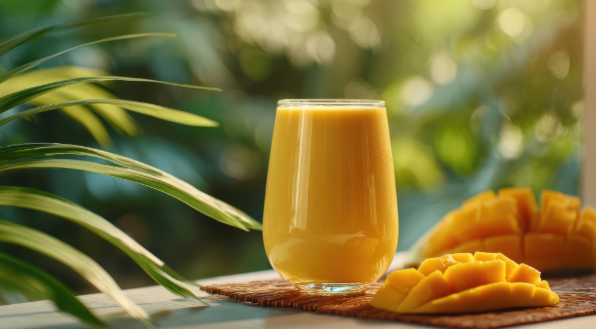
Mango has a natural way of making a beverage feel sunny and refreshing. Its sweet tropical character pairs beautifully with citrus, herbs, sparkling water, and other fruit flavors, giving it plenty of room beyond traditional juice. For people exploring mango drinks non alcoholic, Hokum Mango Tangerine offers a distinctive option built around mango and tangerine flavors. The drink combines a tropical fruit profile with a bright citrus note, creating a refreshing choice that can be enjoyed straight from the can or incorporated into a creative alcohol-free drink. Readers interested in the flavor can also explore the Hokum Mango Tangerine product for a closer look at this particular combination.
Mango and tangerine complement each other because they bring different qualities to the same glass. Mango provides a fuller, sweeter tropical flavor, while tangerine contributes a sharper citrus character. Together, the two create a balance that can taste vibrant without becoming overly heavy.
Mango alone can sometimes dominate a beverage because of its rich fruit character. Tangerine changes that dynamic by adding acidity and a fresh citrus edge. The result feels brighter and more refreshing, particularly when served cold.
This combination also works well across different occasions. A chilled can can be enjoyed during a casual afternoon, served alongside lunch, or poured over ice when friends are visiting. It can also become the foundation for a simple mocktail that looks and tastes more elaborate than the preparation suggests.
Fruit-forward beverages are especially useful for people who want variety in their refrigerator. Instead of reaching for the same soda or juice every day, a mango-and-citrus combination introduces a different flavor direction without requiring a complicated recipe.
After getting familiar with the mango-tangerine profile, readers can explore the shop for additional fruit combinations and functional drink choices.
See also: Rebranding Specialist: Transforming Businesses for Long-Term Success
Flavor is only one part of what makes a beverage appealing. Ingredients, sweetness, serving style, and the occasion all influence whether a drink becomes something people return to.
Hokum’s approach places functional ingredients alongside distinctive fruit flavors. The brand’s beverages are designed to provide alternatives to conventional soft drinks while maintaining an enjoyable taste.
Mango Tangerine has a particularly approachable flavor structure. Mango brings the recognizable tropical foundation, while tangerine keeps the profile lively. This makes it suitable for people who enjoy sweeter fruit flavors but still want some citrus brightness.
The drink can also be served in several ways. Pouring it over ice creates a simple presentation. Adding fresh mango, tangerine slices, or a sprig of mint can make it feel more suited to brunches, gatherings, or casual celebrations.
The flexibility matters because not every beverage needs to be reserved for a specific type of occasion. A good fruit drink can move easily from an ordinary afternoon to a social setting without feeling out of place.
Many familiar beverages rely on caffeine to provide their appeal. Coffee, energy drinks, and caffeinated sodas are common choices, but they are not suitable for every part of the day.
Hokum’s product lineup includes beverages formulated without caffeine. That gives consumers another option when they want something flavorful without adding caffeine to their routine.
A caffeine-free beverage can be particularly useful later in the day. It can accompany dinner, serve as a refreshing drink during an evening gathering, or become part of a nighttime mocktail.
The absence of caffeine also allows the fruit flavor to remain the focus. Mango and tangerine do not need a strong stimulant profile to make a beverage interesting. Their contrasting sweet and citrus notes provide enough character to create a satisfying drinking experience.
For people who regularly alternate between plain water and highly caffeinated drinks, introducing a flavorful caffeine-free option can add variety without making the beverage routine complicated.
Drink Hokum offers a selection of beverages built around fruit flavors and functional ingredients. Rather than limiting the lineup to one familiar taste, the brand explores combinations that can appeal to different preferences.
Mango Tangerine is one example of that approach. Its tropical base and citrus finish create a flavor that feels familiar while still offering something different from ordinary mango juice.
Other beverages in the lineup explore combinations involving berries, citrus, and tropical fruits. This makes it possible to build a varied selection instead of buying the same flavor repeatedly.
The brand also focuses on formulations that fit people seeking alternatives to traditional sugary or caffeinated drinks. Depending on the product, the beverages feature functional ingredients alongside their fruit-forward profiles.
For consumers who read ingredient labels, this combination of flavor and formulation can make a beverage more interesting than a standard soft drink.
The official Drink Hokum shop provides another place to browse the available flavors and learn more about the drinks before choosing a favorite.
Mango Tangerine already has the fruit and citrus elements needed for a simple alcohol-free mixed drink. A few additional ingredients can change the presentation without covering up the original flavor.
Start with a tall glass filled with ice. Pour in the chilled beverage and add a few fresh tangerine segments or thin slices. A small amount of fresh mint can provide an herbal contrast.
For a stronger tropical direction, fresh mango pieces can be added as a garnish. Pineapple can also work well with mango, while lime can sharpen the citrus side of the drink.
The key is restraint. Too many syrups, juices, or sweet ingredients can make the drink unnecessarily heavy. Mango already provides plenty of fruit character, so supporting ingredients should add contrast rather than compete for attention.
For gatherings, individual glasses can be prepared shortly before serving. A simple garnish gives each drink a polished appearance without requiring specialty bar equipment.
This approach also makes mango beverages useful for celebrations where some guests prefer to skip alcohol. Everyone can have something colorful and flavorful in their glass without needing a separate complicated recipe.
A refrigerator stocked with a few interesting beverages can make hosting easier. Instead of preparing every drink from scratch, ready-to-drink options can provide an immediate choice for guests.
Mango Tangerine works naturally in this setting because the flavor is recognizable. Mango is familiar to many people, while tangerine adds enough citrus character to keep the drink lively.
Serve the cans chilled and allow guests to enjoy them as they are. For a more social presentation, place ice, fruit garnishes, and attractive glasses nearby so guests can customize their drinks.
This setup works for backyard gatherings, weekend brunches, movie nights, game nights, and casual dinners. The beverage does not need to be treated as a formal cocktail replacement. It can simply be another enjoyable option on the table.
Alcohol-free drinks have also become more varied than the basic soda-and-juice combinations that were once common at social events. Fruit-forward beverages provide an easy way to make a non-alcoholic selection feel intentional rather than like an afterthought.
Mango’s sweetness and tangerine’s citrus character give this flavor combination plenty of food-pairing possibilities.
Spicy foods are a natural match. The fruit-forward profile can provide a refreshing contrast to dishes containing peppers, chili, or bold spices. Tacos, grilled chicken, spicy noodles, and seasoned seafood can all work well alongside a chilled tropical beverage.
The drink can also complement lighter meals. Salads containing citrus, avocado, grilled vegetables, or fresh herbs can pair naturally with mango and tangerine.
For brunch, the flavor works alongside dishes such as pancakes, waffles, fruit bowls, yogurt, and lighter pastries. The citrus element helps keep the combination from feeling excessively sweet.
Grilled foods offer another option. A cold fruit beverage can bring contrast to smoky or savory flavors, especially during outdoor meals.
Because the drink is fruit-forward, serving temperature makes a noticeable difference. Chilling the can before serving helps the mango and tangerine flavors feel crisp and refreshing.
Hokum beverages are positioned around more than flavor alone. The product lineup incorporates functional ingredients into its drink formulations, giving consumers an alternative to conventional soft drinks.
For shoppers who pay attention to what goes into their beverages, this can be an appealing characteristic. A drink can be enjoyable while also fitting into a broader preference for thoughtful ingredient choices.
The exact formulation varies by product, so checking the product information remains useful when choosing among flavors. Mango Tangerine provides the tropical-citrus profile, while other beverages offer their own combinations and ingredient profiles.
This variety allows consumers to select based on both taste and formulation rather than treating every beverage as interchangeable.
A functional beverage does not have to taste clinical or overly serious. Fruit flavors can keep the experience approachable, while the ingredient profile provides another reason to consider the drink.
The simplest serving method remains one of the best. Chill the can thoroughly, open it, and enjoy it directly.
For a slightly more elevated presentation, use a clear glass filled with ice. Add a tangerine wheel along the rim or a few small mango cubes to reinforce the flavor visually.
Fresh mint adds contrast without requiring a complicated recipe. A thin lime wedge can also bring out the citrus side of the beverage.
For a brunch table, arrange several glasses with fruit garnishes so guests can serve themselves. For an outdoor gathering, keep cans in a cooler and offer a separate bowl of fresh fruit.
These ideas take only a few minutes but can make a ready-to-drink beverage feel more personalized.
The same principle applies to everyday drinking. There is no requirement to prepare an elaborate mocktail every time. Sometimes the best choice is simply a cold can after a long afternoon.
Mango is a popular flavor for good reason, but its appeal becomes even stronger when combined with another fruit. Tangerine adds enough acidity and brightness to keep mango from feeling one-dimensional.
That pairing also demonstrates how beverage flavors can be designed around contrast. Sweet and tart, tropical and citrus, rich and bright—these differences give each sip more character.
For consumers who are tired of standard cola, lemon-lime soda, or plain fruit juice, combinations like mango and tangerine provide an easy way to change the routine.
Exploring different flavors can also make it easier to identify personal preferences. Some people may gravitate toward tropical fruit, while others prefer berries or sharper citrus profiles.
A varied beverage shelf gives room for those preferences without requiring a completely different shopping routine for every occasion.
Alcohol-free beverages do not need to imitate cocktails to be enjoyable. A well-made fruit beverage can stand confidently on its own.
Mango Tangerine provides a recognizable fruit experience while giving people the flexibility to drink it straight, pour it over ice, or use it in a mocktail.
That flexibility makes it useful at both ordinary and social occasions. Someone can enjoy it during lunch without making a production out of the drink, then serve the same beverage with fresh fruit and ice at a gathering.
The growing variety of alcohol-free options also means consumers have more room to choose based on flavor rather than simply selecting whatever soda happens to be available.
For people who prefer tropical flavors, mango and tangerine offer a particularly accessible starting point.
Mango Tangerine combines two familiar fruit flavors in a way that gives each one room to stand out. Mango provides the tropical sweetness, while tangerine brings citrus brightness and a refreshing edge.
The beverage can remain simple or become the base for a creative mocktail. It can accompany a meal, sit on a brunch table, or provide a chilled afternoon refreshment.
The appeal ultimately comes from having more choices. A beverage does not have to be overly complicated to be interesting. A distinctive flavor, a thoughtful formulation, and an easy serving style can be enough to make something worth keeping in the refrigerator.
For readers ready to explore more fruit-forward options, a quick visit to the shop can reveal additional flavors and beverage choices from the same lineup. A few chilled cans can add variety to everyday routines while also giving guests something flavorful to enjoy.
For product questions or additional information, readers can use the contact us today option to reach the appropriate source directly and learn more about the available beverages.